Correcting Bite Issues with Invisalign in Bondi

Most people book an Invisalign consultation because of how their teeth look. A crooked front tooth or a gap that shows in every photo is easy to spot. How your teeth meet when you close your mouth is harder to see, but it affects how you chew and how your teeth wear over time.
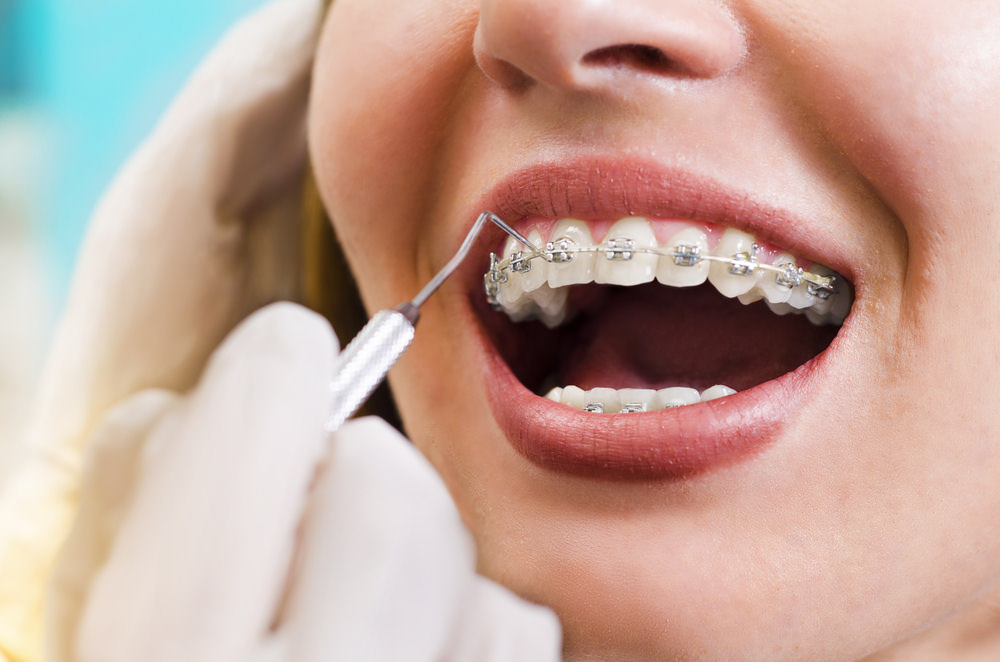
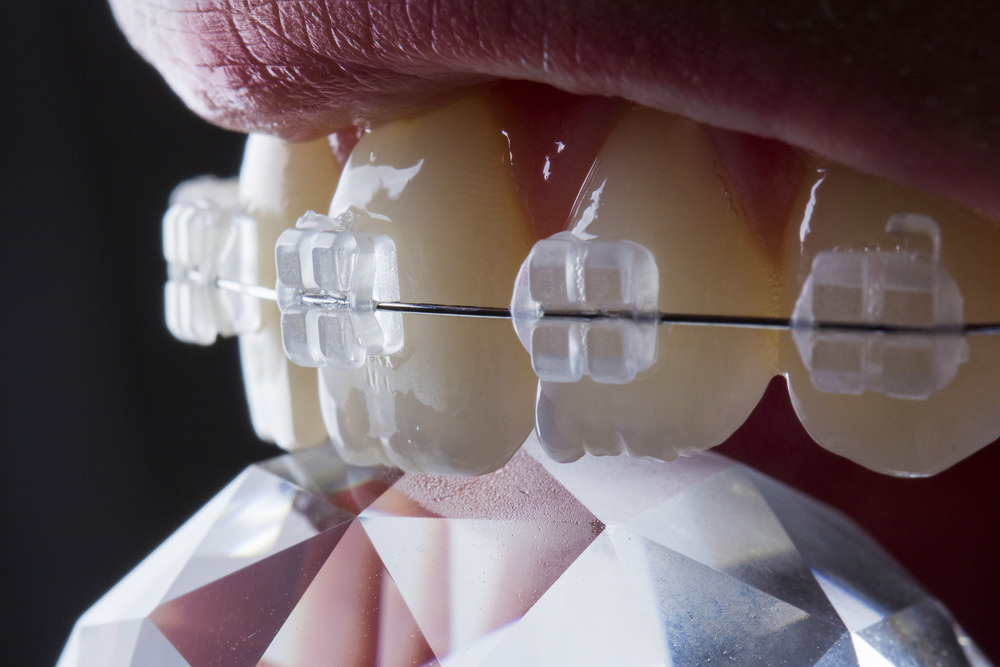
That relationship between your upper and lower teeth is known as your bite. When your upper and lower teeth line up correctly, chewing forces spread evenly across them. When they don’t, some teeth take more load than others. For many teens and adults, Invisalign dentist in Bondi offers a practical way to restore bite balance without fixed brackets or wires.
What counts as a bite problem?
A bite issue, or malocclusion, describes any mismatch between the upper and lower arches. A dentist can usually spot it by asking you to bite down and looking at your bite from the side.
Four types are the most common.
- Overbite: The upper front teeth overlap the lower ones too far. A deep overbite can push the lower teeth into the gum behind them.
- Underbite: The reverse, with the lower teeth closing in front of the upper teeth, which can make the chin look prominent.
- Crossbite: One or more upper teeth sit inside the lower teeth as you bite down, whether that’s a single front tooth or a group at the back.
- Open bite: Even with the back teeth together, the front teeth don’t meet. You may notice it when biting into a sandwich.
Why it’s worth treating
People often leave bite issues alone, especially when they don’t hurt. Over time, though, an uneven bite can contribute to problems that are harder to fix later. Teeth that take too much force may chip or wear flat. Crowded areas are tougher to clean, which raises the risk of decay and gum disease.
Some people also link jaw tension or headaches to the way their teeth meet. Jaw pain has several possible causes, so it needs a proper assessment before anyone blames the bite.
How Invisalign moves the bite
Treatment uses a series of clear, removable aligners. Each set is shaped slightly differently from the last, and you move to the next set every one to two weeks, depending on your plan. Each aligner shifts your teeth in small, planned steps.
Digital scan and treatment plan
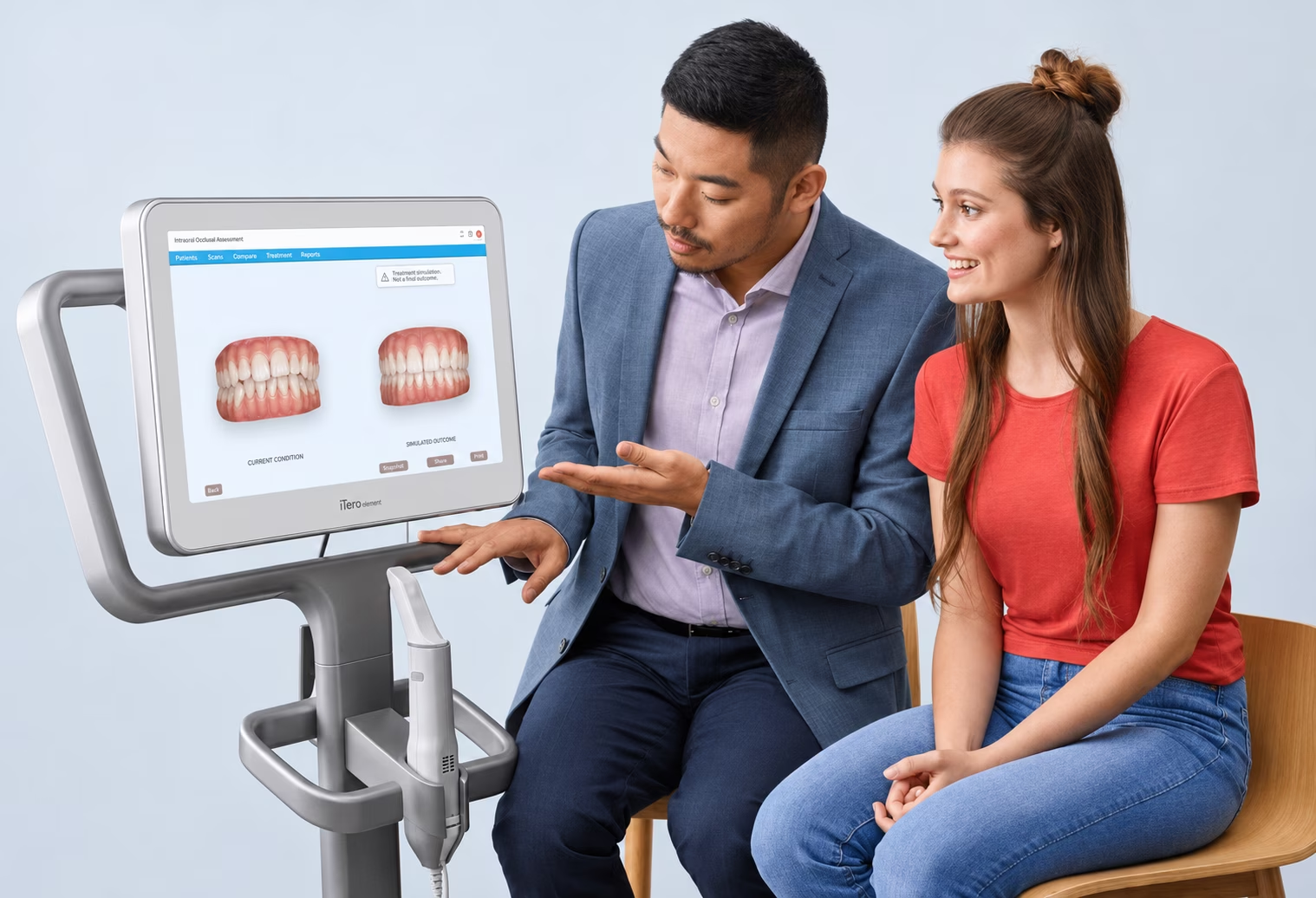
Planning starts with a digital scan that creates a 3D model of your teeth. From that model, your dentist maps how each tooth needs to move and can show you a preview of the expected result before you commit.
Check-ups along the way
You’ll have regular check-ups with your dentist during treatment, so they can confirm your teeth are moving as planned. If a tooth falls behind, they can order extra aligners to bring it back on track.
Wear time
Aligners need to stay in about 20 to 22 hours a day, coming out for meals and brushing. If you leave them out for long stretches, your treatment can fall behind schedule.
Can Invisalign fix every bite?
Invisalign can help fix an overbite, underbite, crossbite, or open bite, and mild to moderate cases tend to respond well. Complex cases are a different matter. When the jaw bones are out of position, traditional braces or specialist care may be better, and some skeletal problems require surgery alongside orthodontic treatment.
Commitment matters as much as the clinical picture. Because the aligners come out, results depend on wearing them as directed. If you know you’ll struggle to keep them in, fixed braces may suit you better, and a good dentist will say so.
 How long Invisalign takes to fix a bite
Simpler cases can finish in as little as six months. Correcting an overbite or another bite problem tends to take longer, since it can mean moving more teeth in more than one direction.
Retainers
After treatment, a retainer holds your teeth in their new position. Without one, teeth can drift back, so you’ll likely need to wear it at night long term.
Conclusion
At your first appointment, expect a consultation and scan. The dentist will check your bite and look for signs of wear, then explain whether aligners are right for you.
For patients across Bondi Junction and the eastern suburbs, Bondi Family Dentist offers Invisalign treatment at its Bondi Road practice, starting with a check to see whether clear aligners can correct your bite. Ask how long your plan will take.

By Dr. V
Created at November 08, 2026, Updated at November 08, 2026